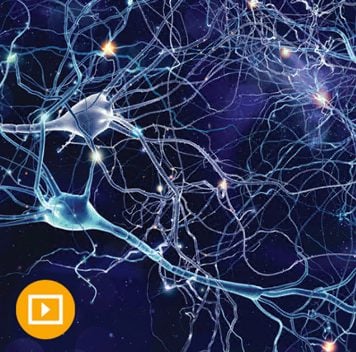
Description
This online CME course is designed to help non-neurologists stay abreast of the vast field of clinical neurology, better diagnose and manage their patients, and make appropriate referrals. The 60+ lectures in Neurology for Non-Neurologists cover both common and uncommon neurological disorders.
Speakers — chosen for their clinical expertise and experience educating non-neurologists — cover all areas of clinical neurology in practical, focused 30-minute continuing medical education lectures. You’ll benefit from their expert advice, clinical guidance, and valuable take-home points, including:
- Numbness and Spells. The key to assessing spells is to determine whether the spells are fast (seconds), suggesting seizures, or TIA or slow (minutes), which suggest migraine.
- Gait Disorders. Testing gait is a very sensitive but not specific test of neurologic function.
- Hyperkinetic Movement Disorders. The diagnostic criteria for essential tremor have been updated to include bilateral action tremor of the upper limbs of at least 3 years’ duration, with or without head, voice, or leg tremor.
- Neuropathy: What You Should Know. Peripheral neuropathy is not one disease. Your first step in patient work up a patient with suspected neuropathy is to characterize its phenotype so you can better tailor your management.
- and many more…
Learning Objectives
At the conclusion of this activity, you should will be able to:
- Differentiate between essential tremor and intention tremor
- List common precipitants of non-epileptic seizures
- Define and identify parkinsonism
- Differentiate between acute confusional state and delirium
- Describe the symptoms in the presentation of neuropathies
- Identify common causes of ischemic stroke
- Contrast concussion, mild traumatic brain injury, and subconcussive injury
- Describe the use of manual therapies, movement therapies, cognitive/mindfulness therapies, and coaching in managing pain
- Recognize and diagnose obstructive sleep apnea
- State the signs and symptoms that could suggest a primary brain tumor
- List the common mimics of multiple sclerosis
- Contrast convulsive and non-convulsive status epilepticus
Intended Audience
The activity was designed for internists, family physicians, emergency physicians, psychiatrists, physical medicine and rehabilitation physicians, obstetricians/gynecologists (who act as primary care physicians), adolescent medicine physicians, geriatricians, resident and fellows in the above specialties and nurse practitioners and physician assistants in the above specialties.
TOPICS / SPEAKERS
Patient Complaints
Numbness and Spells – Martin A. Samuels, MD
Approach to the Dizzy Patient – Martin A. Samuels, MD
Treating the Dizzy Patient – Martin A. Samuels, MD
Tremors – Christopher D. Stephen, MB ChB, MRCP(UK), MS
Gait Disorders – Martin A. Samuels, MD
Behavioral Neurology
Neuropsychological Evaluation – Doreen M. Rentz, PsyD
Behavioral Abnormalities – Scott McGinnis, MD
New Treatments for Dementia – Gad A. Marshall, MD
Delirium and Confusion – Joshua P. Klein, MD, PhD
Disorders of Attention and Executive Function – Kirk R. Daffner, MD
Attention Deficit Hyperactivity Disorder – Patricia McGuire, MD
Epilepsy and Seizures
Epilepsy – Tracey A. Milligan, MD, MS, FAAN, FAES, FANA
Seizures as a Symptom of Systemic Disease – Tracey A. Milligan, MD, MS, FAAN, FAES, FANA
How to Choose the Initial Antiseizure Medication – Jong Woo Lee, MD
Non-Pharmacological Treatment of Epilepsy – Ellen J. Bubrick, MD
Functional Seizures – P. Emanuela Voinescu, MD
Explaining the Basic Principles of Electroencephalography – Rani Sarkis, MD
Movement Disorders
Hypokinetic Movement Disorders – Edison K. Miyawaki, MD
Hyperkinetic Movement Disorders – Edison K. Miyawaki, MD
Parkinsonism – Christopher D. Stephen, MB ChB, MRCP (UK), MS
Non-Pharmacological Treatment of Movement Disorders – Michael T. Hayes, MD
Nerve and Muscle Disorders
Basic Principles of Electromyography (EMG) – Joome Suh, MD
Neuropathy – What You Should Know – Christopher Doughty, MD
Myopathy – What You Should Know – Christopher Doughty, MD
Stroke
Stroke – Primary and Secondary Prevention and Treatment – Galen V. Henderson, MD
Treatment of Acute Ischemic Stroke – Galen V. Henderson, MD
Hemorrhagic Strokes – Matthew Bevers, MD, PhD
Neurological Infections
Bacterial Meningitis – Steven K. Feske, MD
Infectious Encephalitis – Steven K. Feske, MD
HIV Neurology – Nagagopal Venna, MD, MRCPI, MRCPUK
Neuro-Ophthalmology
Window to the Brain – A Review of Neuro-Ophthalmology – Sashank Prasad, MD
Eye Movement Disturbances – Robert M. Mallery, MD
Multiple Sclerosis
Multiple Sclerosis – What You Need to Know About the Disease and Diagnosis – Tamara B. Kaplan, MD
Multiple Sclerosis Treatment – Tamara B. Kaplan, MD
Neuro-Oncology
Primary Central Nervous System Lymphoma – An Update on Diagnosis and Management – Lakshmi Nayak, MD
Diagnosis and Management of Primary Brain Tumors – L. Nicolas Gonzalez Castro, MD, PhD
Neurological Problems in Systemic Cancer – Eudocia Q. Lee, MD
Metastases to the Nervous System – Jose Ricardo McFaline Figueroa, MD, PhD
Pain
Managing Chronic Pain – Victor Wang, MD, PhD, MBA
Use of Injections to Treat Pain Syndromes – Victor Wang, MD, PhD, MBA
Integrative Methods for Treating Headache and Pain – Carolyn A. Bernstein, MD, FAHS
Neck and Arm Pain – Shamik Bhattacharyya, MD
Low Back Pain – Shamik Bhattacharyya, MD
Primary Headaches – Brian E. McGeeney, MD, MPH, MBA
Headache as a Symptom of Systemic Disease – Brian E. McGeeney, MD, MPH, MBA
Sleep Disturbances
Diagnosing and Recognizing Sleep Disorders – Milena Pavlova, MD
Treatment of Sleep Disorders – Milena Pavlova, MD
Neurology Below the Belt
Tackling Neurology Below the Belt – Neurogenic Bladder & Uroneurology – Tamara B. Kaplan, MD
Sexual Dysfunction in Neurologic Disease – Tamara B. Kaplan, MD
Special Topics
Principles of Neuro-Imaging – Joshua P. Klein, MD, PhD, FANA, FASN, FAAN
Principles of Hospital Neurology – Joshua P. Klein, MD, PhD, FANA, FASN, FAAN
The Neurology of Alcohol – Michael E. Charness, MD
Neurological Complications of Substance Use Disorder – Nagagopal Venna, MD, MRCPI, MRCPUK
Neurology of Vitamin Deficiency – Fat-Soluble Vitamins – Martin A. Samuels, MD
Neurology of Vitamin Deficiency – Water-Soluble Vitamins – Martin A. Samuels, MD
Autoimmune Disorders in Neurology – Shamik Bhattacharyya, MD
Concussion – William J. Mullally, MD
Functional Neurological Disorders – Mark Hallett, MD
Women’s Neurology – Mary Angela O’Neal, MD
Spinal Cord Disorders – Shamik Bhattacharyya, MD
Principles of the Use of Autonomic Testing in Neurology – Peter Novak, MD, PhD
Inpatient Neurology in the COVID-19 Era – Giovanna Manzano, MD
Date of Original Release: August 31, 2022
Date Credits Expire: August 31, 2025
Estimated Time to Complete: 31.25 hours

Reviews
There are no reviews yet.